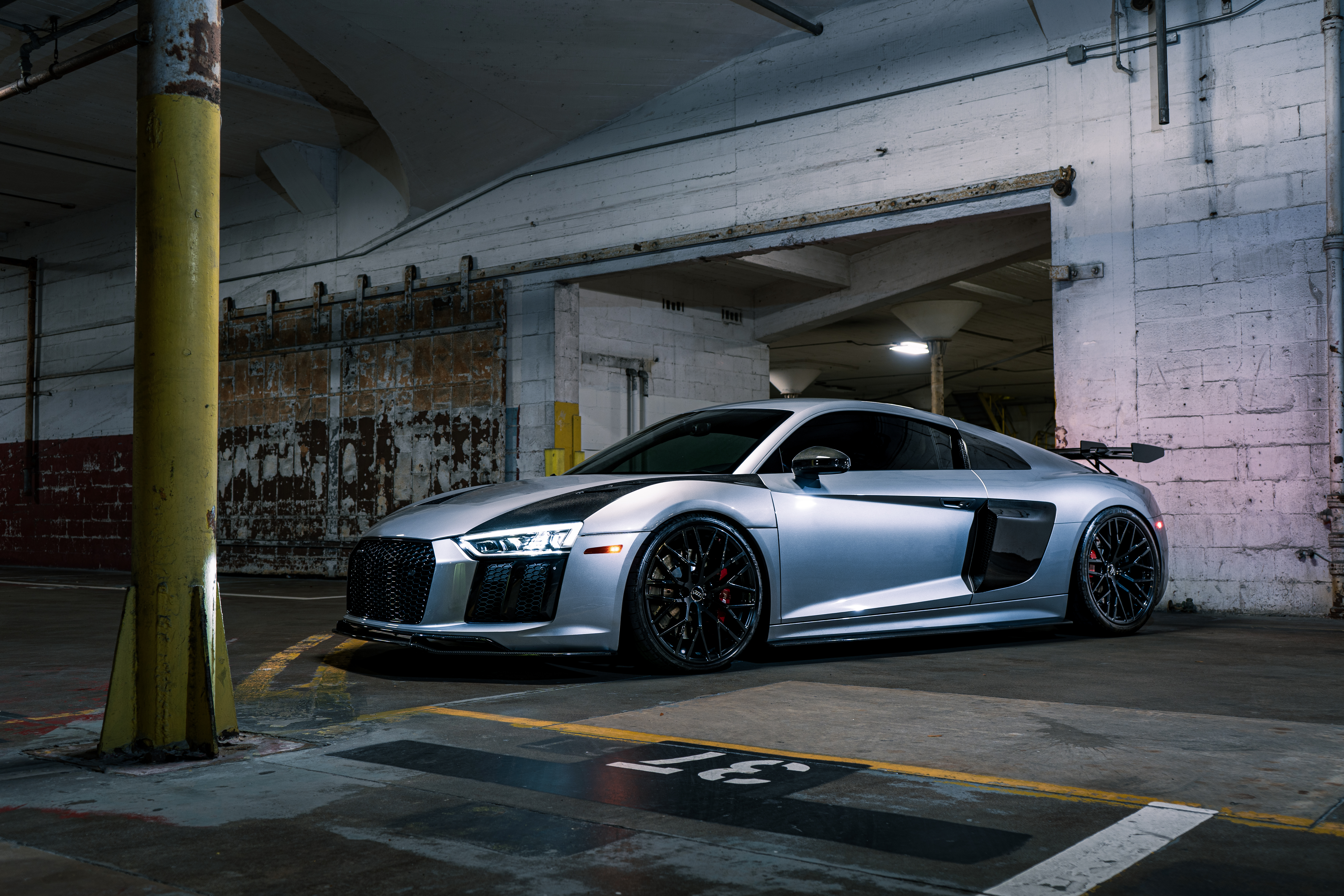
From Dream to Reality: The Journey of Owning an Exoti
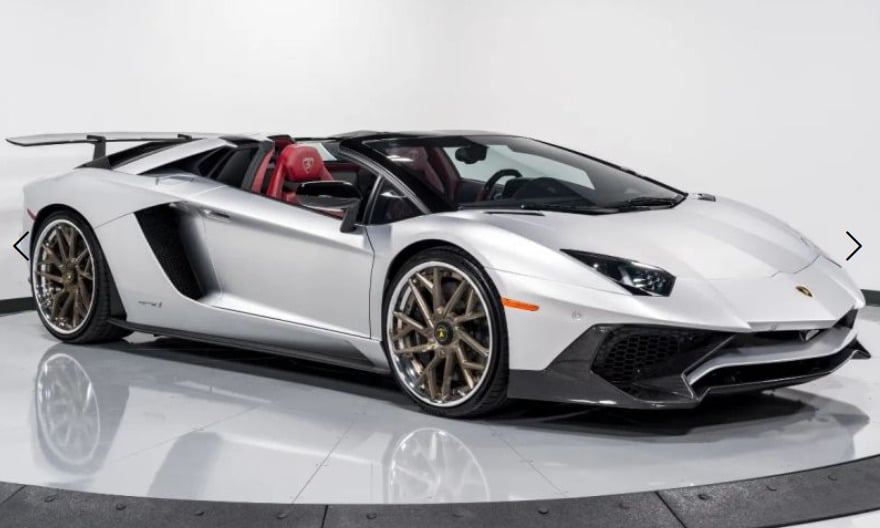
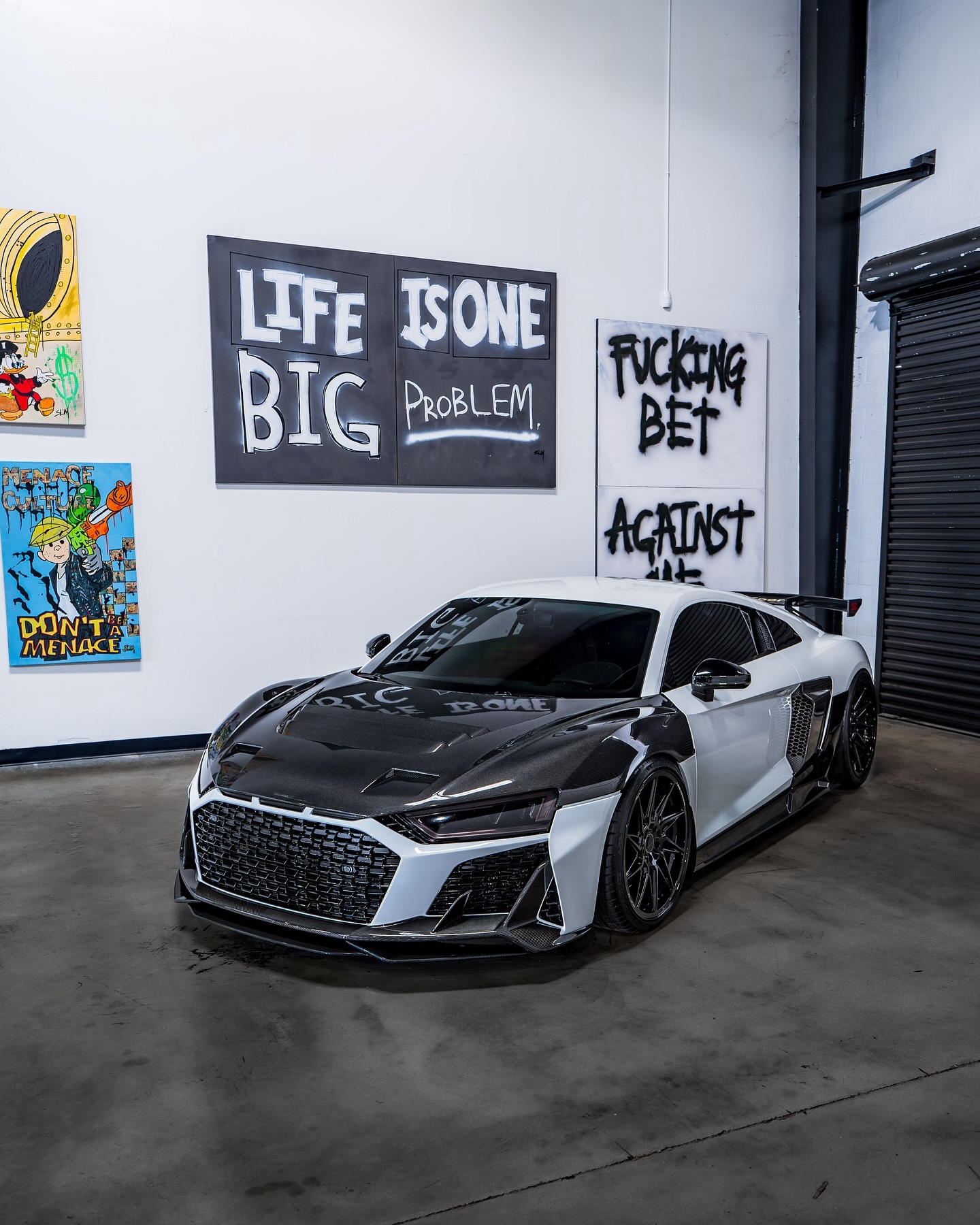
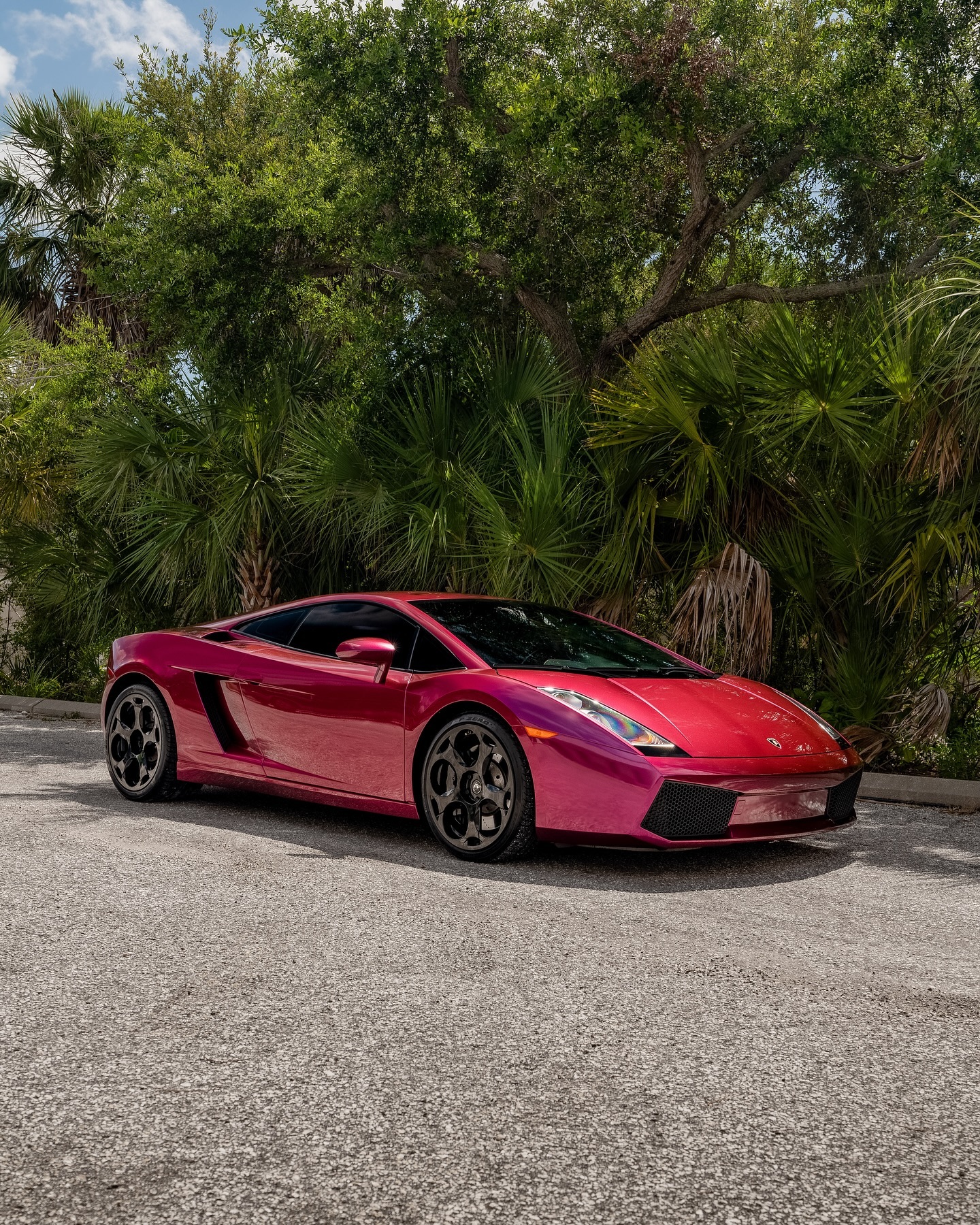
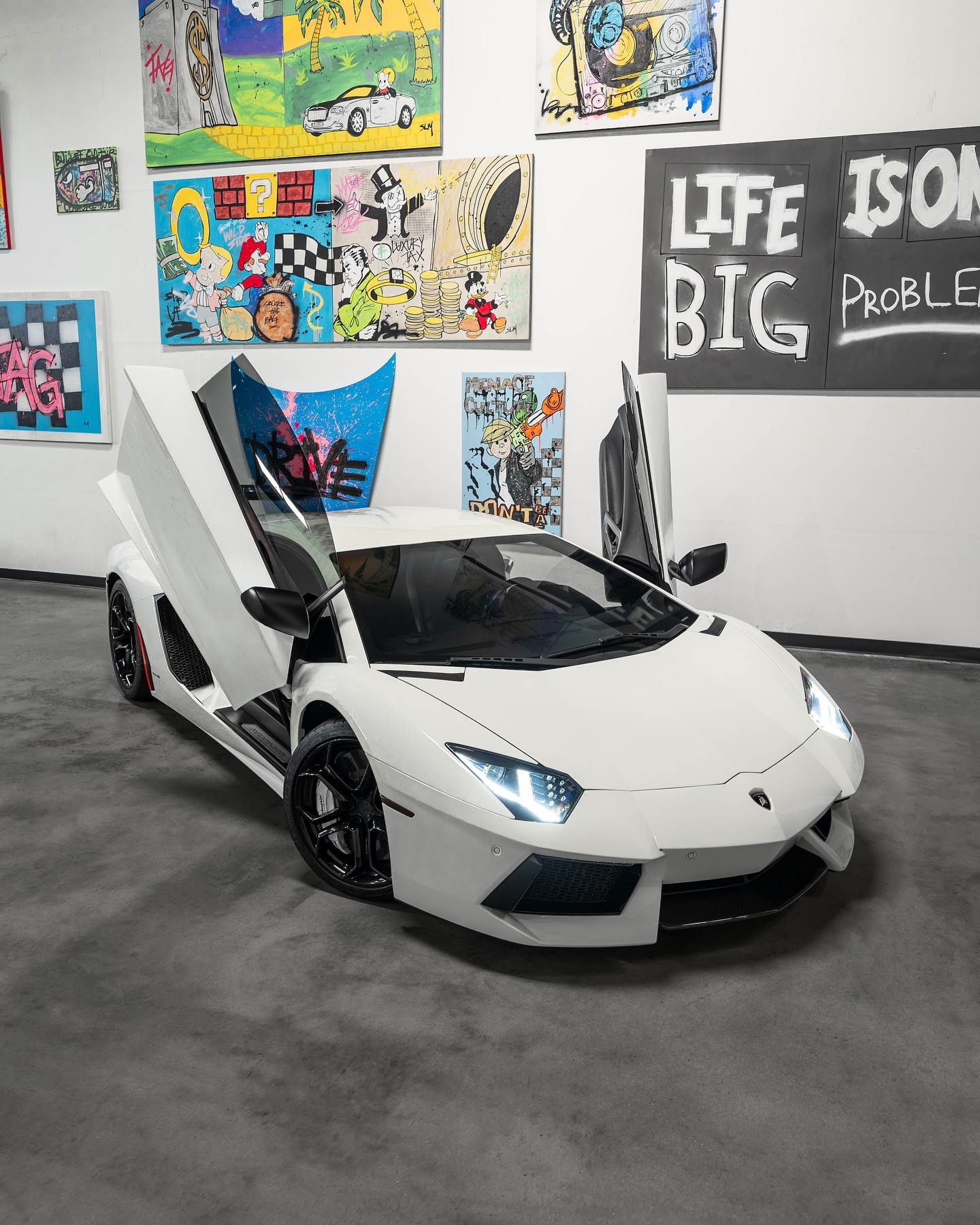
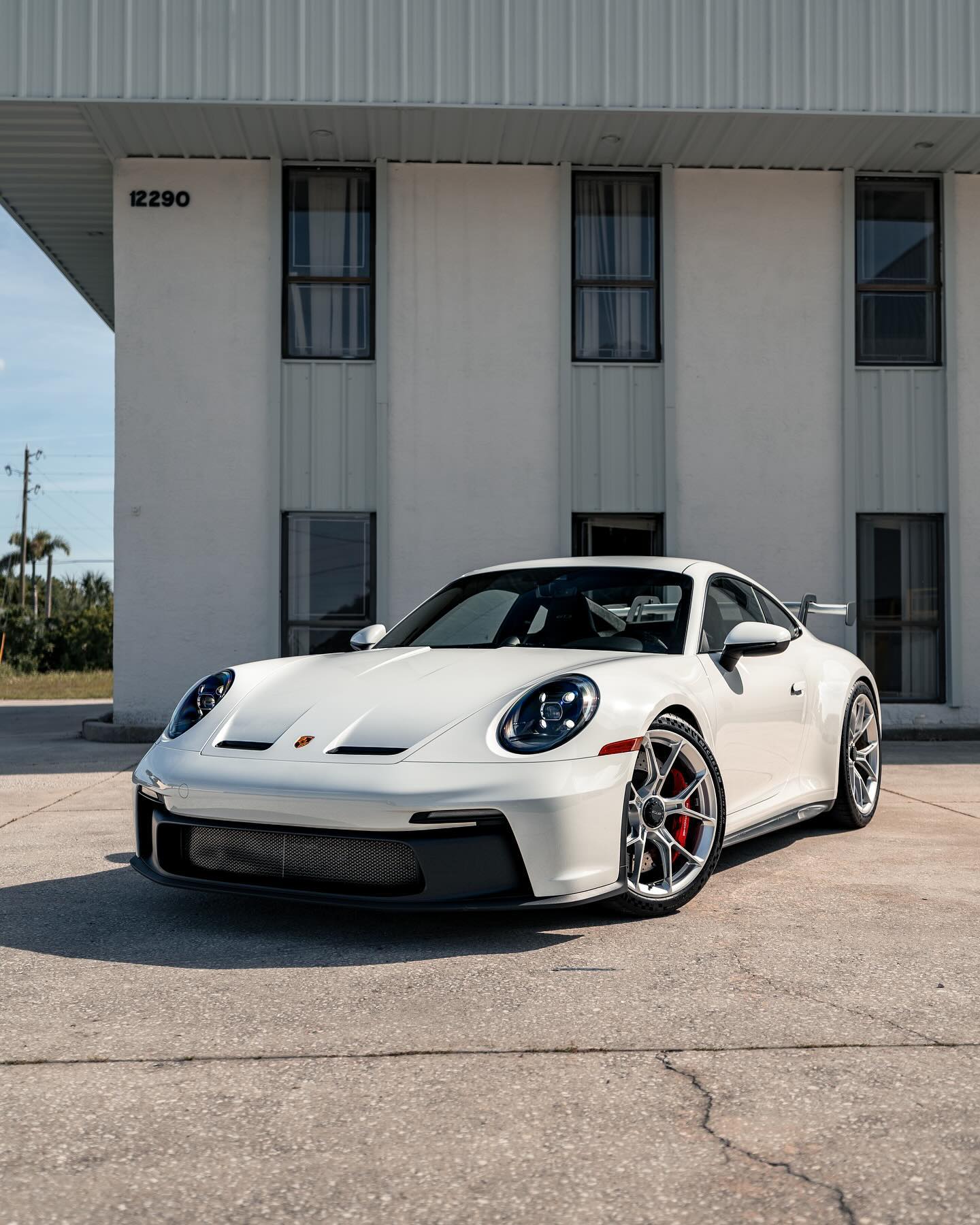
It is not uncommon to find many individuals dreaming of sitting behind the steering wheel of an exotic car. The trim lines, bright colors, and earth-quaking engines ignite something deep. But realizing that dream is far more complex than mere desire. Supercar ownership involves passion, preparation, and a dose of fiscal sense. Although it might seem complex, you can do it if you take a deep breath and tackle each step one by one.
Key Takeaways
- Choose a model that matches your lifestyle, personality, and goals.
- Plan for all ongoing costs, not just the sticker price.
- Explore different financing paths before committing.
- Pick your buying method wisely and inspect every option.
- Ownership continues long after purchase with care, storage, and smart driving.
1. Start by Defining the Dream
Every exotic-car trip starts with a vision. Consider the car you like most before you get started searching. Some buyers demand savage performance and improbably tight handling. Others are looking for a bespoke design, or a rare badge that will turn heads, whatever the row.
So take time to study the various brands and models. Compare: Speed, comfort, interior features, safety, and technology. Also consider how you will use the car. Will you use it on sunny weekends? Do you want it for occasional track days? Will it live as part of a growing collection?
This early research helps prevent regret later. Once you know exactly what you want from your car, it can help streamline the options and keep you on target. It’s easier to enjoy the act of buying something when every step towards it serves your overall purpose.
2. Understand the True Cost of Ownership
Once you have identified potential models, the next step is creating a realistic budget. The acquisition process of purchasing an exotic car is not a one-time deal. It's not a couch or a car; it is an investment in the future with corresponding financial obligations.
Beyond the selling price, consider several major costs:
Maintenance and Repairs
Exotics need certified mechanics and brand-approved parts. Service takes skill, time, and rare components, so prices go up quickly. Even routine care often costs more than many people expect.
Insurance
Insurance premiums increase with both the value of a vehicle and the risk that it will be expensive to repair. And insurers may insist on thorough inspections and tight driving limits.
Taxes, Registration, and Fees
The specific costs are different according to the state or area. The vehicles are typically of high value, and therefore subject to higher taxes and licensing fees.
Storage
Supercars need special protection. A climate-controlled garage prevents damage from humidity, heat, and theft. And you may want to consider storage even if you live in a warm climate.
Depreciation
Some models grow in value. Yet, many lose value with age or higher mileage. It helps to track how your chosen model has performed over the years.
With all these details in mind, create a yearly ownership estimate. A simple plan today can prevent stressful surprises later.
3. Secure the Right Financing
Once you understand your budget, the next step involves choosing how to pay. Exotic-car financing works differently from financing standard vehicles. Many banks do not want to handle expensive specialty cars. However, several options exist.
Specialty Lenders
These lenders know the exotic-car market well. They understand brand value, resale trends, and rare-vehicle pricing. As a result, approval may be easier, though a strong credit score still helps.
Cash Purchase
Some shoppers buy their dream car outright. Paying in full removes interest fees and loan terms. If the model appreciates, owning it in cash may increase returns when selling.
Leasing
Leasing gives you access to high-end models for lower monthly payments. You may even upgrade every few years. Still, you must follow mileage rules and return the vehicle in good shape.
No matter which route you choose, compare interest rates, balloon payments, and insurance requirements before signing.
4. Navigate the Buying Process With Confidence
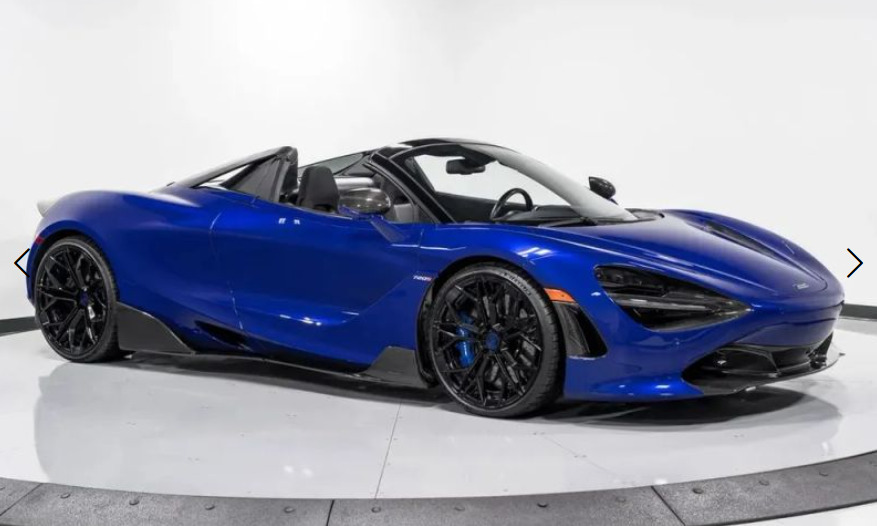
When the financing plan is in order, it’s time to shop. “Quite often, you come across so-called exotic vehicles being hawked by dealerships, private sellers, and at specialist auctions.
Dealerships
Dealerships usually offer certification, warranties, and repair support. You also gain customer protection. However, dealership pricing is often higher, especially for newer or limited units.
Private Sellers
They may cost less from private sellers. But these buys require diligent examination of service history, retention records, and accurate mileage. Checking in person and reviewing documents can help avoid expensive mistakes.
Auctions
The AUCTIONS Rare and collectables. But bidding is a snap judgment, and most auction houses tack on buyer’s fees. Before you participate, establish a hard limit.
No matter where you buy your car, be sure to set up an inspection by a brand-trained mechanic. Expert eyes can reveal hidden problems, so your dream home doesn’t turn into a nightmare.
5. Owning the Car After the Keys Are Yours
Driving home in your new exotic car feels like a victory. Still, ownership continues far beyond that first trip. To protect your investment, consistent care is essential.
Regular Service
Keep up with recommended maintenance schedules. Exotic engines need the right fluids, timing, and calibration to perform.
Safe Storage
Store the vehicle in a secure, dry space. Good storage protects paint, leather, tires, and electronics.
Smart Driving
Exotic cars deliver immense power. As a result, they demand respect and skill. Take your time learning how your car handles. Consider performance-driving lessons to sharpen your skills.
When you care for the car correctly, ownership brings pride and years of enjoyment.
Bringing the Dream to Life
Owning an exotic car is more than a purchase. It is the reward of patience, planning, and passion working together. Each step—from researching models to learning maintenance—pushes you closer to the moment you grip the steering wheel and hear the engine roar.
With the right mindset, steady budgeting, and expert guidance, the dream becomes possible. No matter where you are in the journey, keep learning and moving forward. The road to ownership can be just as exciting as the final drive itself.
For more information, check our website at Tampa Auto Gallery Sales and Leasing.
Frequently Asked Questions
- Is owning an exotic car only for the wealthy?
Not always. With smart budgeting, financing, or leasing, ownership becomes reachable for more buyers. Planning for long-term costs matters most. - How do I choose my first exotic model?
Start with how you plan to use it. Then compare speed, rarity, comfort, and total cost. Test drives and research help narrow options. - What should I expect for yearly maintenance?
Expect higher-than-normal costs. Services may require rare parts and trained experts. Budget thousands per year, depending on the model. - Should I buy from a dealer, auction, or private seller?
Dealers give support and warranties. Private sellers offer lower pricing with more risk. Auctions give rare access. Always do an inspection before you commit. - What responsibilities continue after purchase?
You must store the car safely, maintain it on schedule, and drive it responsibly. Good habits protect value and enjoyment.