Tips on Driving a Supercar for the First Time
Planning a Showroom Visit?
Call ahead and our team will have your shortlist detailed and ready when you arrive.
Call 813-733-4165
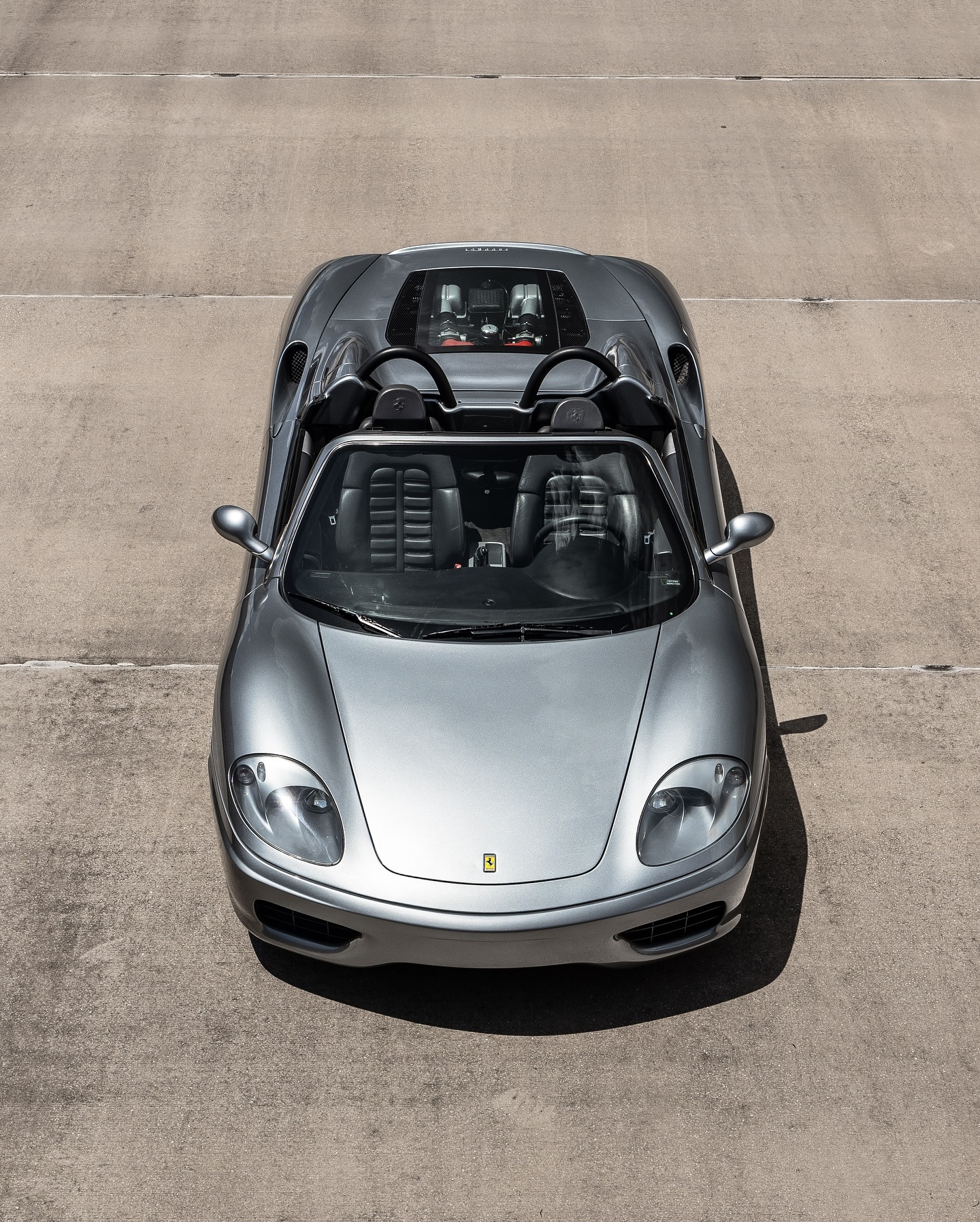
Stepping into the cockpit of a high-performance machine for the first time is a total sensory assault. The second that the dihedral door clicks shut, the reality of wrangling over 600 horses starts to sink in. Driving a supercar is a total shift from being a passive passenger to an active pilot. Whether you’re grabbing a Lamborghini Huracán from a rental fleet for a weekend tear or finally taking delivery of a Ferrari, this field guide is here to help you handle the learning curve with the grit and confidence of a veteran wheelman.
- Respect the internals: Don't even think about pinning the needle during the first ten minutes of your trek. You’ve got to sit tight and wait for the oil and rubber to hit that thermal sweet spot before you can count on maximum grip.
- Dial in the cockpit: You need to sort out those nose-lift toggles and weird gear selectors while the car is still sitting in park. It’s better to build that muscle memory now so you aren't fumbling with buttons while you're screaming down the road at 80 mph.
- Attack every incline sideways: Treat every speed bump and steep driveway like a tactical maneuver rather than a straight shot. You’ve got to approach at a hard 45-degree angle if you want to keep that expensive front splitter from grinding into the pavement.
- Watch your six: Get used to staying far away from the blind spots of semi-trucks and lumbering SUVs. Because of your low profile, you’re basically invisible to those guys until it’s way too late to move.
Before You Turn the Key: Don't Touch That Button (Yet)
The biggest rookie move is clicking into gear before you’ve mapped out the cabin’s "ecosystem." These things don't usually have a standard PRNDL shifter; you’re looking at buttons, dials, and paddles that need a specific sequence to wake up the drivetrain.
The Orientation
- Clock some stationary time: Spend five minutes just sitting in the seat to build that muscle memory before you ever pull out.
- Map your clearance tools: Locate the nose-lift button immediately—it’s your only defense against the brutal drainage dips found across Florida roads.
- Decode the gearbox: Make sure you've mastered how to engage Reverse and Neutral so you aren't that person stuck blocking a parking lot exit.
- Find the basics: Identify your wipers and hazards now, because hunting for a blinker switch while you're hauling through a curve is a recipe for disaster.
- Prep for the open road: Getting these layouts hardwired into your brain is the only way to stay focused while driving a supercar at 70 mph on the Courtney Campbell Causeway.
The Seat and Mirrors
- Clear your flanks: Crank those side mirrors further out than usual to compensate for the massive rear fenders and those aggressive engine vents blocking your view.
- Check your pedal reach: Set your seat so your knee still has a slight bend when the brake pedal is pushed into the floor.
- Build your leverage: You’re going to need that leg strength because performance-grade brakes require a lot more "oomph" than your average sedan.
The Golden Rule: Why You "Roll" the Throttle
In a regular car, flooring it just gives you a modest lunge. When you're out on the road, mashing the gas is the fastest way to break the tires loose and end up facing the wrong way on the highway, even with the computers trying to save you.
Linear Input
- Squeeze, not stomp: You ideally want a gradual, linear roll onto the power—you have an egg between your shoe and the pedal.
- Hold for hook: Gradually rise in pressure until you feel the rear tires literally bite into the pavement before pushing forward.
- Commit late: Only go full-throttle once the car is pointed straight and you know the power is actually getting to the ground.
Respect the Cold
- Heat the shoes: High-performance rubber has something in common with an athlete—it needs to warm up before it can do its actual job safely.
- Understand your grip margins: Cold tires are just hockey pucks, and the car quickly gets fidgety as it slides with little effort.
- Track cleansing: For the primary quarter-hour, drive like a civilian to heat fluids and tires.
Braking: Why Do Carbon Ceramics Feel Like Wood?
A lot of the exotics you’ll see at a place like Tampa Auto Gallery Sales and Leasing come with Carbon Ceramic brakes. These are track-ready parts, and they don't act anything like the steel rotors on your truck.
The "Bite"
- Expect the lag: Carbon ceramics can feel "wooden" and unresponsive when they’re cold; they need heat before they start biting hard.
- Feel the force: Once they’re up to temp, these things will stop you with enough force to pull your sunglasses off your face.
- Do a calibration check: Perform a few controlled, low-speed stops early on to get your foot used to how much pressure you actually need.
Slow In, Fast Out
- Straight-line scrubbing: Do all your heavy braking while the wheels are pointing forward, before you ever turn into the corner.
- Keep your head: Once you're accustomed to how the car shifts its weight, you can avoid trail braking (staying on the brakes deep into a turn).
- Conserve it: This tried-and-true method should guide your early attempts until you develop a strong understanding of how the chassis reacts to lateral G-forces.
See What’s on Our Showroom Floor
Browse our luxury and exotic inventory online, then call to schedule your test drive.
Browse InventoryCall 813-733-4165
Dealing with Low-Clearance Traps
Florida might be flat, but the driveways, drainage dips, and parking blocks are absolute predators when it comes to expensive carbon fiber splitters.
The Diagonal Approach
- Avoid head-on: Coming directly up to a speed bump or up an incline is sure to result in that miles-forming-crunch you never want to hear.
- Approach at an angle: Hit the obstacle at a 45-degree angle, letting the suspension pull one wheel up on to the frame at a time.
- Nose guard: This enables the tire to take the worst of the lift, avoiding that nose-cone low-slung bumper kissing concrete.
Use the Tech
- Hit the lift early: If the car has a front-axle lift, use it proactively—don't wait until you're right on top of the dip.
- Anticipate the terrain: Trigger that lift button at least 50 yards before you hit a known driveway or a rough patch.
- Wait for the rise: Give the hydraulics time to fully extend before you cross the obstacle to ensure you’ve got maximum clearance under the belly.
Parking Caution
- Don't pull all the way in: Stop well short of that concrete parking block; your front bumper is much lower than you think.
- Check your proportions: From the driver's seat, the nose of a supercar looks shorter than it actually is.
- Leave a buffer: Always stop about two feet short of the curb to avoid a multi-thousand-dollar repair bill for a single scratch.
The "Invisible" Paradox: Everyone is Watching
When you’re behind the wheel, you’re somehow the most famous person on the block and the hardest one to see at the same time.
The Blind Spot Threat
- Hide and seek: You’re sitting so low that you’ll disappear completely in the side mirrors of a lifted pickup or a semi-truck.
- Ride like a biker: Adopt a defensive mindset—assume no one can see you and that every minivan is about to merge into your lane.
- Stay sharp: Always operate under the constant assumption that you're invisible to the traffic around you.
The Attention
- Handle the fans: People are going to follow you for TikToks, and every kid in a tuned hatchback is going to try to race you at the light.
- Keep your cool: Stay focused on your line and don’t let some guy with a camera phone bait you into doing something stupid.
- Respect the law: Real owners know the time and place to open it up; keep the high-speed runs for the track and follow the rules on the street.
The Best Rigs for Your First Time
If you’re sweating the power levels, remember that some exotics are "user-friendly" while others are looking for a reason to bite you.
The Friendly Choice
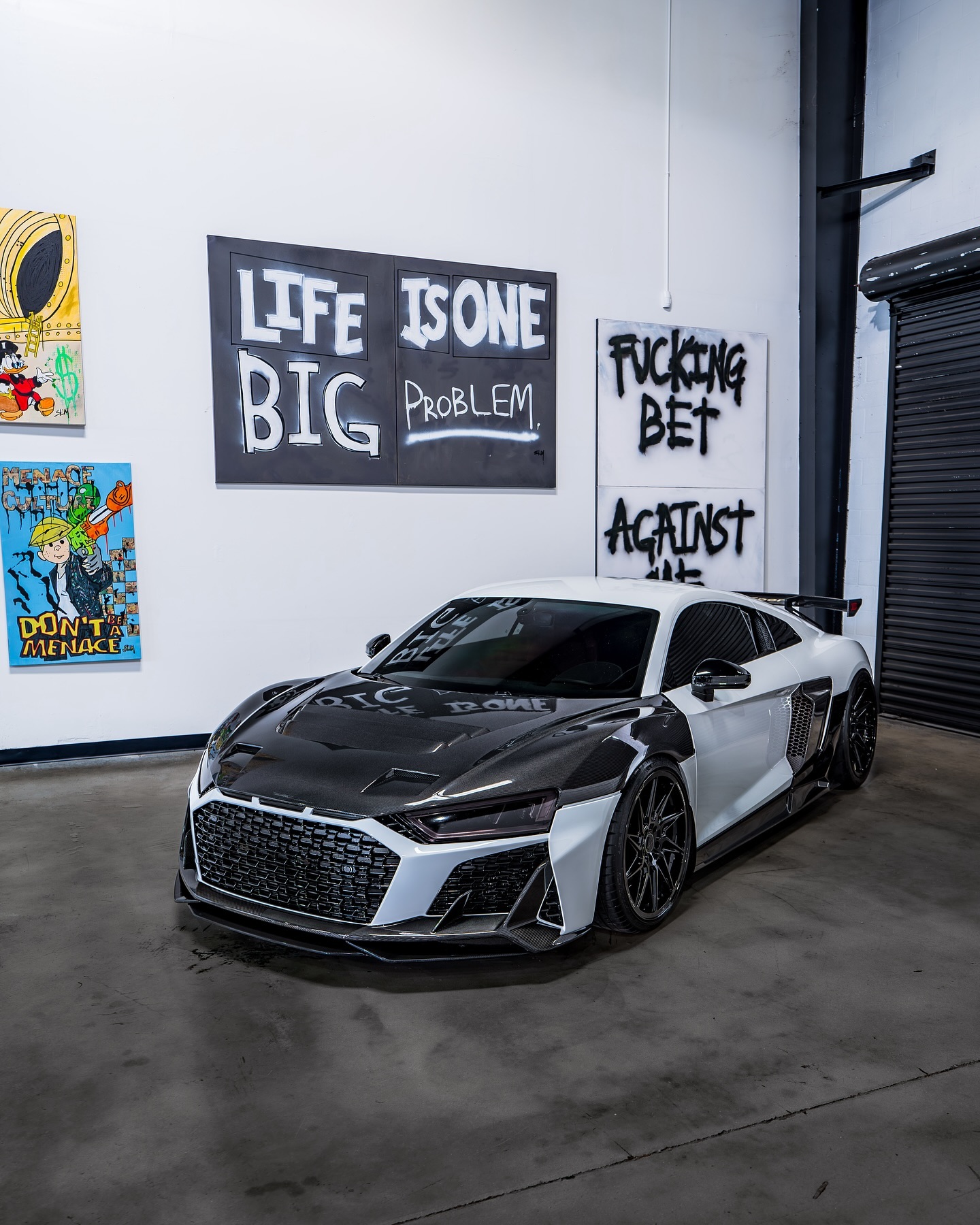
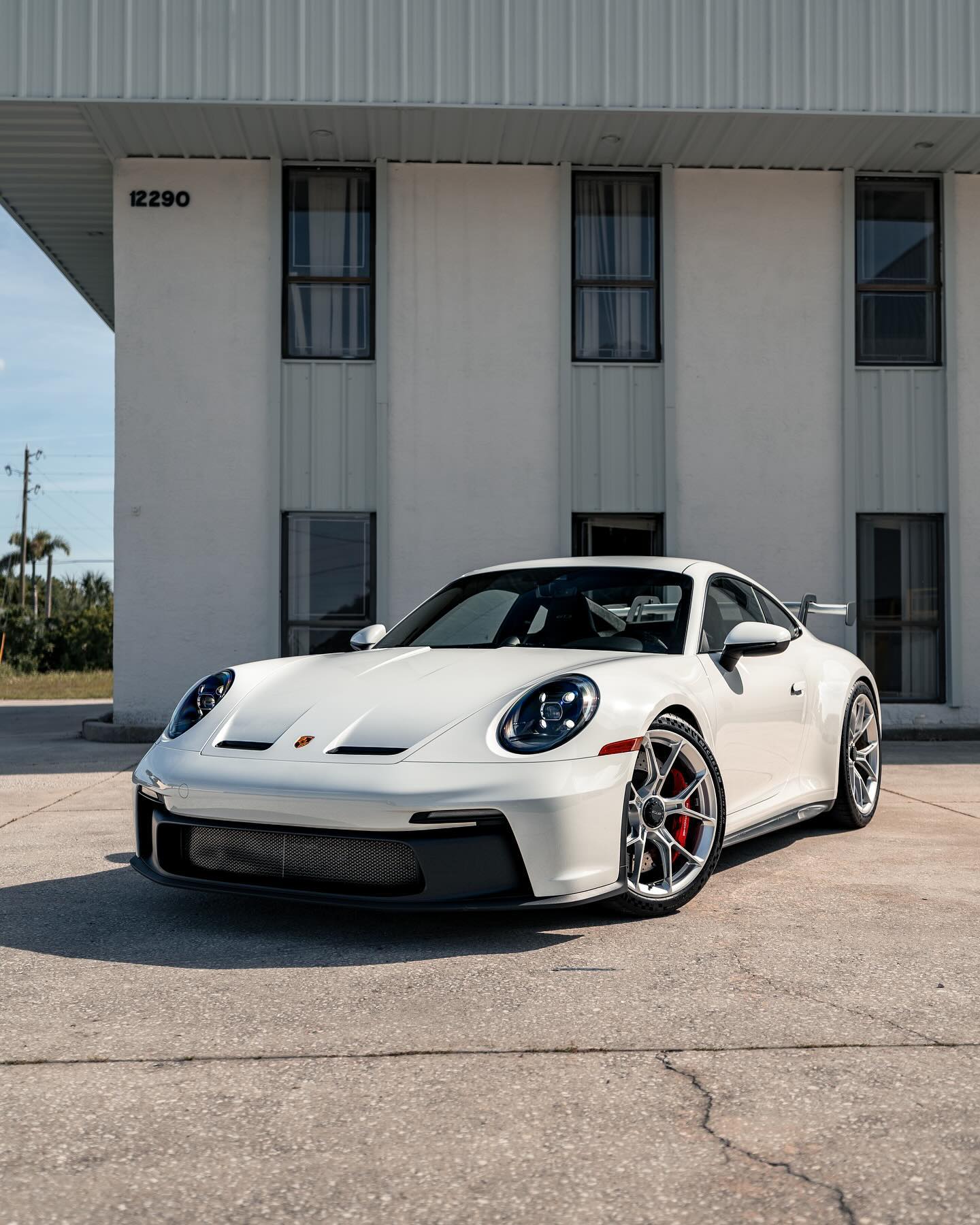
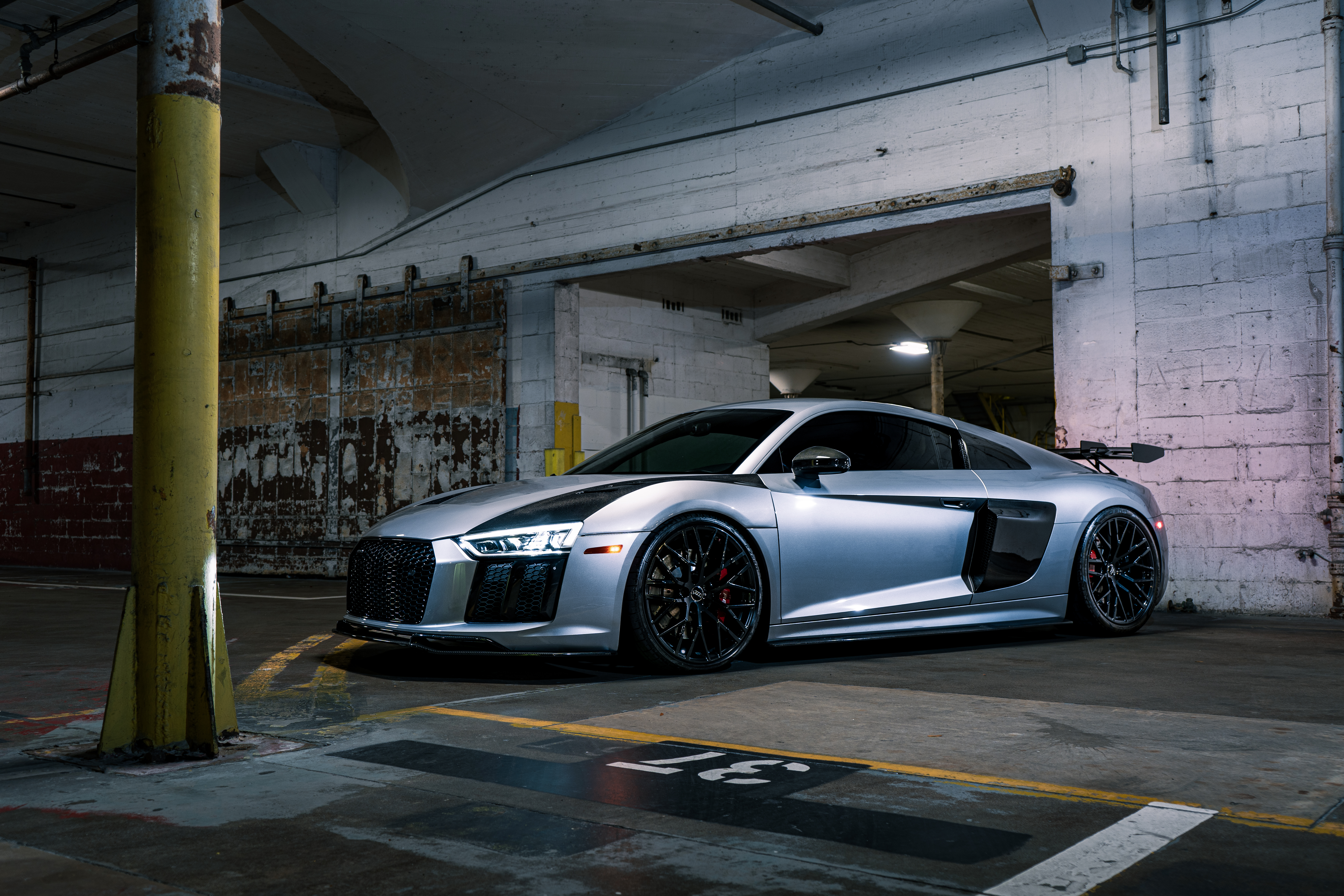
The Audi R8 and Porsche 911 Turbo are the gold standard for stability, thanks to their killer All-Wheel Drive setups. These cars use high-end tech to make a massive amount of power feel manageable and planted. They’re the best entry points for anyone who wants to go fast without feeling like they’re wrestling a bear.
The Pure Thrill
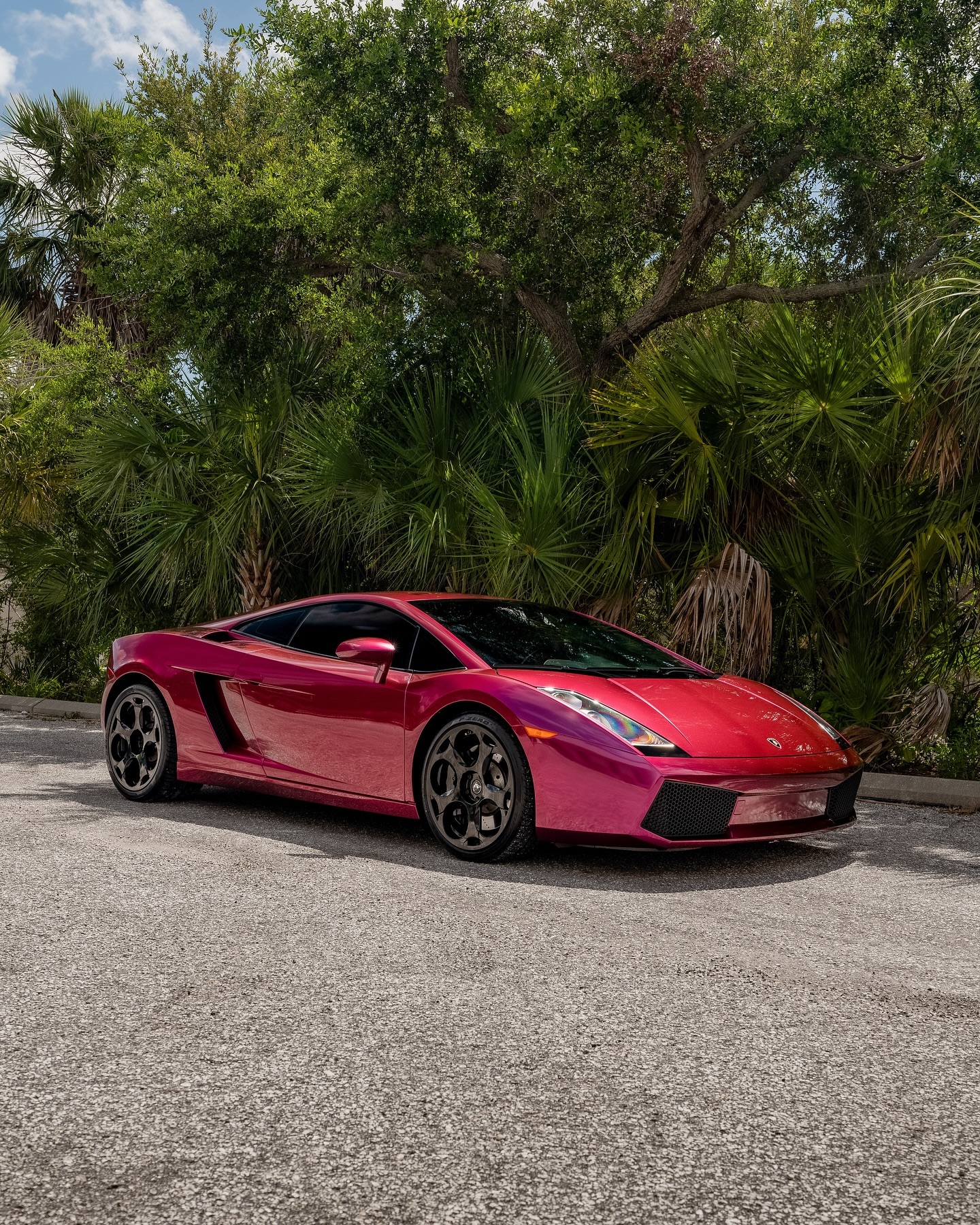
The Lamborghini Huracán is all about the drama. That V10 scream is legendary, and even though it looks like a fighter jet, the steering is actually light and easy to point. It gives you that raw, visceral supercar feeling while still being surprisingly chill for city cruising.
The Luxury Move
The Bentley Continental GT is the perfect bridge for someone used to luxury cars. It’s got world-class speed, but it keeps that heavy, planted feel of a high-end cruiser. If you want elite performance but you don't want to give up your heated massage seats, this is the one.
Wrapping Up
Hitting the road and driving a supercar for the first time is a massive bucket-list moment, but it’s a job as much as it is a joyride. By being smart with the throttle, understanding how those ceramic brakes work, and mastering the "diagonal" move on driveways, you’ll make sure your first time is remembered for the thrill, not the insurance claim. If you're ready to get behind the wheel, the crew at Tampa Auto Gallery Sales and Leasing will give you a full walk-through on every gear and toggle so you can head out and dominate the pavement with total confidence.
Frequently Asked Questions
Q: Is it a nightmare in traffic?
A: Not really. Most modern exotics have "Auto" modes and light steering that make Tampa traffic manageable. Just stay hyper-aware of your surroundings since you’re sitting so low.
Q: Need a special license for this?
A: Nope, just a standard one. But you definitely need to respect rear-wheel-drive physics, especially if the Florida rain starts coming down.
Q: What if I scrape the bottom?
A: Most of these cars have skid plates, but cracking a carbon fiber piece is pricey. Use the nose-lift and take those angles on driveways to keep the underbody clean.
Q: Can I just use regular gas?
A: Absolutely not. These engines are tuned for 91 or 93-octane premium only. Using cheap gas causes "knock," which can literally blow your engine apart when you're under load.
Q: How do the paddles work?
A: Right paddle to go up, left to go down. Most cars have an "Auto" button that does the work for you—stick with that for the first 30 minutes until you get the "feel" of how the engine responds.
Tampa Auto Gallery Sales and Leasing
Book Your VIP Test Drive
5516 W Linebaugh Avenue, Tampa, FL 33624
Schedule an AppointmentCall 813-733-4165
Related reading: